

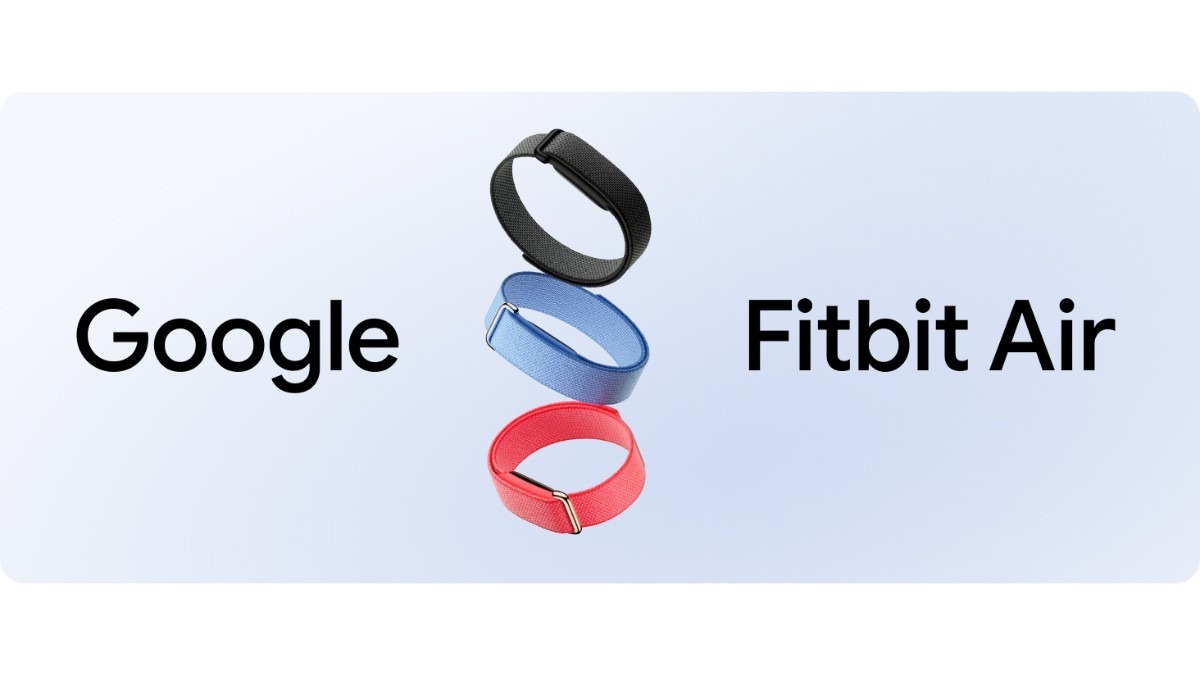
Google Fitbit Air: Why Google’s New Screenless Wearable Could Be the Future of Fitness Tracking
After years of smartwatches competing with bigger displays, brighter screens, and more notifications, Google has taken a surprising new direction. Enter the Google Fitbit Air — a fitness tracker with no screen at all.
Launched in 2026, the Fitbit Air represents Google’s vision of “invisible technology,” focusing on health monitoring without constant distractions. Instead of checking notifications, messages, or workout stats on your wrist, users simply wear the device and review their data later through the Google Health app.
For users tired of smartwatch overload, the Fitbit Air may be exactly what they’ve been waiting for.
What Is Google Fitbit Air?
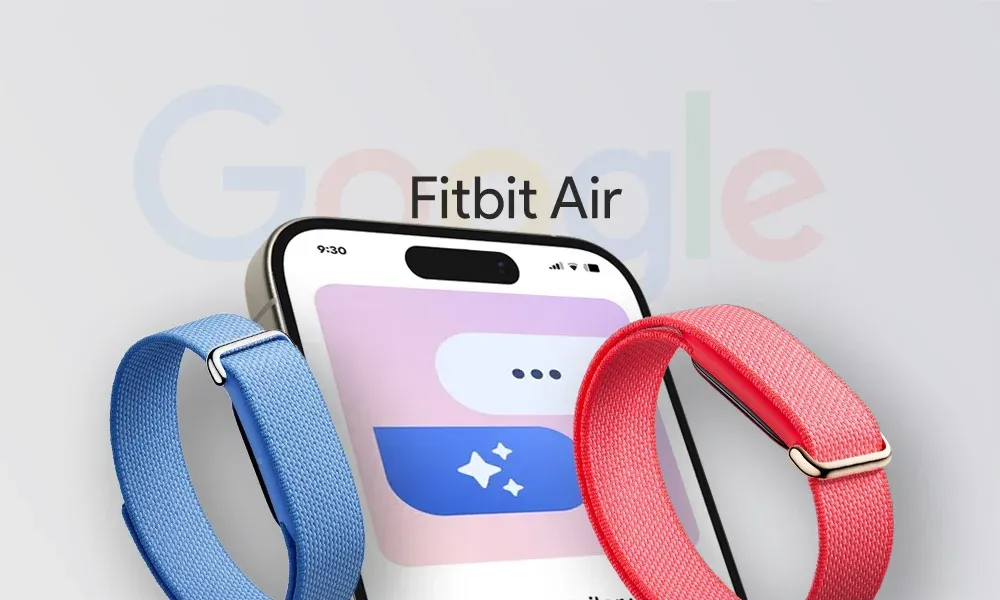
The Google Fitbit Air is a lightweight, screenless wearable designed for 24/7 health and fitness tracking. Unlike traditional fitness bands or smartwatches, it has no display, no apps, and no on-device interaction.
Google describes it as a “set-and-forget” health tracker that quietly collects health data in the background while helping users stay focused on daily life.
The device is positioned as a direct competitor to the popular screen-free wearables from companies such as Whoop and Oura Health.
Why Remove the Screen?
This might sound strange in a world dominated by smartwatches, but Google’s decision is intentional.
Many users report notification fatigue caused by constant alerts, messages, and app reminders. The Fitbit Air eliminates these distractions completely.
Benefits of a screenless design include:
- Better focus throughout the day
- Improved sleep comfort
- Longer battery life
- Lighter weight
- Reduced digital distractions
- More discreet appearance
According to Google, the goal is to help users “live in the moment” while still benefiting from advanced health tracking.
Google Fitbit Air Design
The Fitbit Air is Google’s smallest wearable device to date.
Key Design Highlights
| Feature | Details |
|---|---|
| Weight | 12g with band |
| Core Device Weight | 5.2g |
| Water Resistance | 50 meters |
| Design | Pebble-shaped removable tracker |
| Materials | Recycled polycarbonate and PBT plastics |
| Compatibility | Android and iPhone |
The small sensor-packed “pebble” fits inside interchangeable bands, allowing users to customize the appearance.
Fitbit Air Features
Despite its minimalist design, the Fitbit Air includes an impressive collection of health sensors.
Health Sensors
- Optical heart rate sensor
- Blood oxygen (SpO2) monitoring
- Heart Rate Variability (HRV)
- Skin temperature sensor
- Accelerometer
- Gyroscope
- AFib detection capabilities
These sensors continuously collect health data throughout the day and night.
Health Tracking Features
Users can monitor:
- Heart rate
- Sleep stages
- Sleep quality
- Blood oxygen levels
- Recovery metrics
- Activity tracking
- Stress indicators
- Resting heart rate
- Irregular heart rhythm notifications
All information is accessible through the new Google Health app.
AI-Powered Health Coaching
One of the biggest upgrades introduced alongside Fitbit Air is Google’s AI Health Coach.
Powered by Gemini AI technology, the platform analyzes health data and provides personalized recommendations such as:
- Sleep improvement suggestions
- Recovery guidance
- Fitness recommendations
- Wellness insights
- Daily health summaries
The AI coach aims to make health data easier to understand for everyday users.
Battery Life
One of the major advantages of removing the screen is battery efficiency.
Early reviews indicate the Fitbit Air can comfortably last over a week on a single charge, making it ideal for continuous wear and sleep tracking.
For comparison:
| Device | Typical Battery Life |
| Fitbit Air | 7+ days |
| Pixel Watch | 1–2 days |
| Apple Watch | 1–2 days |
| Whoop 5.0 | 5+ days |
Fitbit Air vs Whoop 5.0
Many buyers will compare Fitbit Air against the popular Whoop band.
| Feature | Fitbit Air | Whoop 5.0 |
| Screen | No | No |
| Price | $99 | Subscription-based |
| Heart Rate Tracking | Yes | Yes |
| Sleep Tracking | Yes | Yes |
| AI Coaching | Yes | Yes |
| App Support | Android & iOS | Android & iOS |
| Subscription Required | No | Yes |
For casual users seeking affordable health tracking, Fitbit Air offers exceptional value. Serious athletes may still prefer Whoop’s deeper performance metrics.
Google Health App
The Fitbit Air launches alongside Google’s redesigned health ecosystem.
The former Fitbit app is being replaced with Google Health, creating a unified platform for:
- Fitbit Air
- Pixel Watch
- Android health services
- AI health coaching
The new app becomes the central hub for viewing all collected health information.
Fitbit Air Pricing
Google has positioned Fitbit Air as an affordable wearable.
Pricing
- Fitbit Air: $99.99
- AI Health Premium: Optional subscription
- Platform Support: Android and iOS
The aggressive pricing makes Fitbit Air one of the most affordable screenless fitness trackers available.
Will Fitbit Air Launch in UAE?
Google has not yet confirmed full UAE retail availability, but based on previous Fitbit launches, the device is expected to reach major retailers and online platforms throughout the UAE in 2026.
Consumers in Dubai interested in health-focused wearables should watch for announcements from Google and regional electronics retailers.
Who Should Buy Fitbit Air?
The Fitbit Air is ideal for:
Buy It If:
✅ You want health tracking without distractions
✅ You dislike smartwatch notifications
✅ You need comfortable sleep tracking
✅ You want week-long battery life
✅ You prefer lightweight wearables
✅ You want affordable fitness monitoring
Skip It If:
❌ You need GPS running metrics
❌ You frequently check notifications on your wrist
❌ You want a smartwatch experience
❌ You need advanced athletic analytics
Final Verdict
The Google Fitbit Air represents a major shift in wearable technology. Instead of competing with increasingly complex smartwatches, Google is embracing simplicity.
With its lightweight design, comprehensive health tracking, AI-powered insights, and affordable price, the Fitbit Air could become one of the most influential fitness wearables of 2026.
For users who want health monitoring without constant digital interruptions, Google’s screenless approach may be exactly what the wearable industry needs.
FAQ
Does Google Fitbit Air have a display?
No. Fitbit Air is completely screenless and relies on the Google Health app for viewing health data.
How much does Fitbit Air cost?
Google launched Fitbit Air at approximately $99.99.
Does Fitbit Air track sleep?
Yes. It tracks sleep duration, sleep stages, heart rate, blood oxygen levels, and recovery metrics.
Is Fitbit Air better than Whoop?
For casual users, Fitbit Air offers similar core tracking at a much lower cost. Advanced athletes may still prefer Whoop’s detailed analytics.
Will Fitbit Air work with iPhone?
Yes. Google confirms compatibility with both Android and iOS devices.
Leave a comment